Copy Link

How to Structure Your Location for Profit—And One Day, for Exit
How using a “four-wall P&L” can transform the way you run your business
"When you go to exit your gyms, you get a higher multiple on your four-wall club."
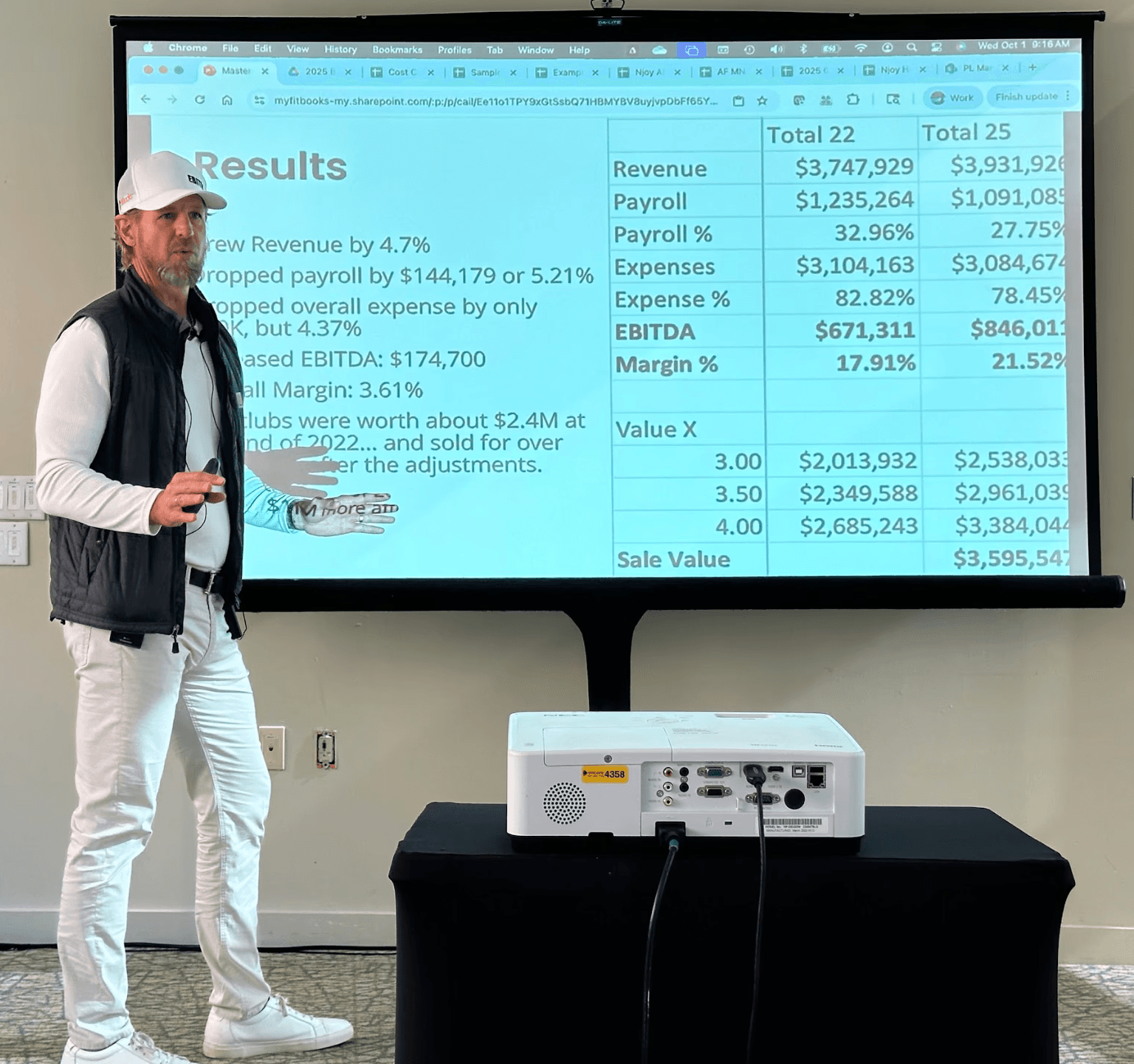
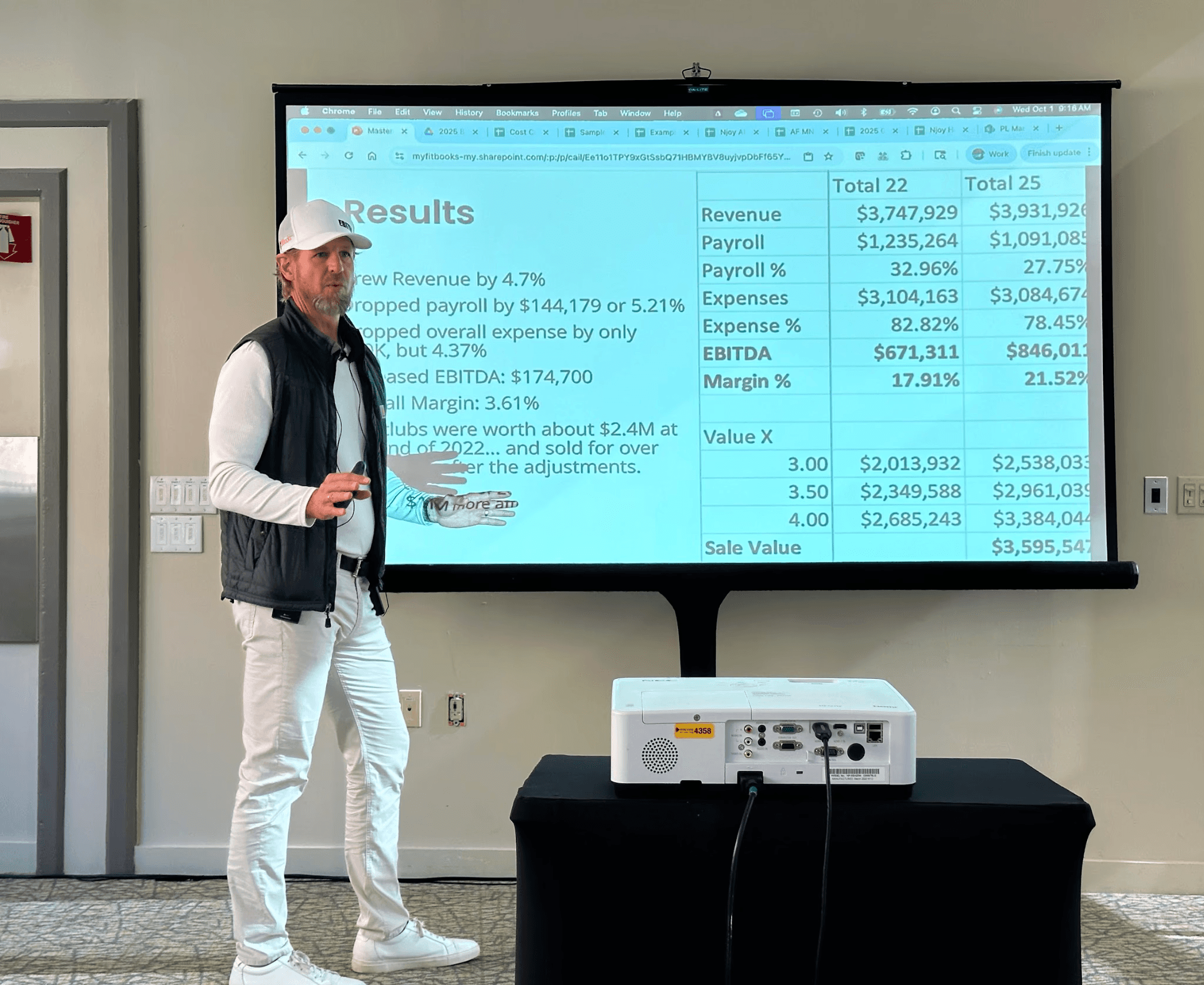
In his session at the Mastermind Gym Solutions Fall Summit, Nathan Jesperson shared a critical piece of advice for multi-club owners: structure your business for the exit, even if you have no plans to sell. This means understanding and utilizing the concept of the four-wall P&L.
What is a Four-Wall P&L?
A four-wall P&L includes only the costs that are specific to that gym. As one of the attendees in Nathan’s session put it, “Your regional would be overhead outside of that gym.”
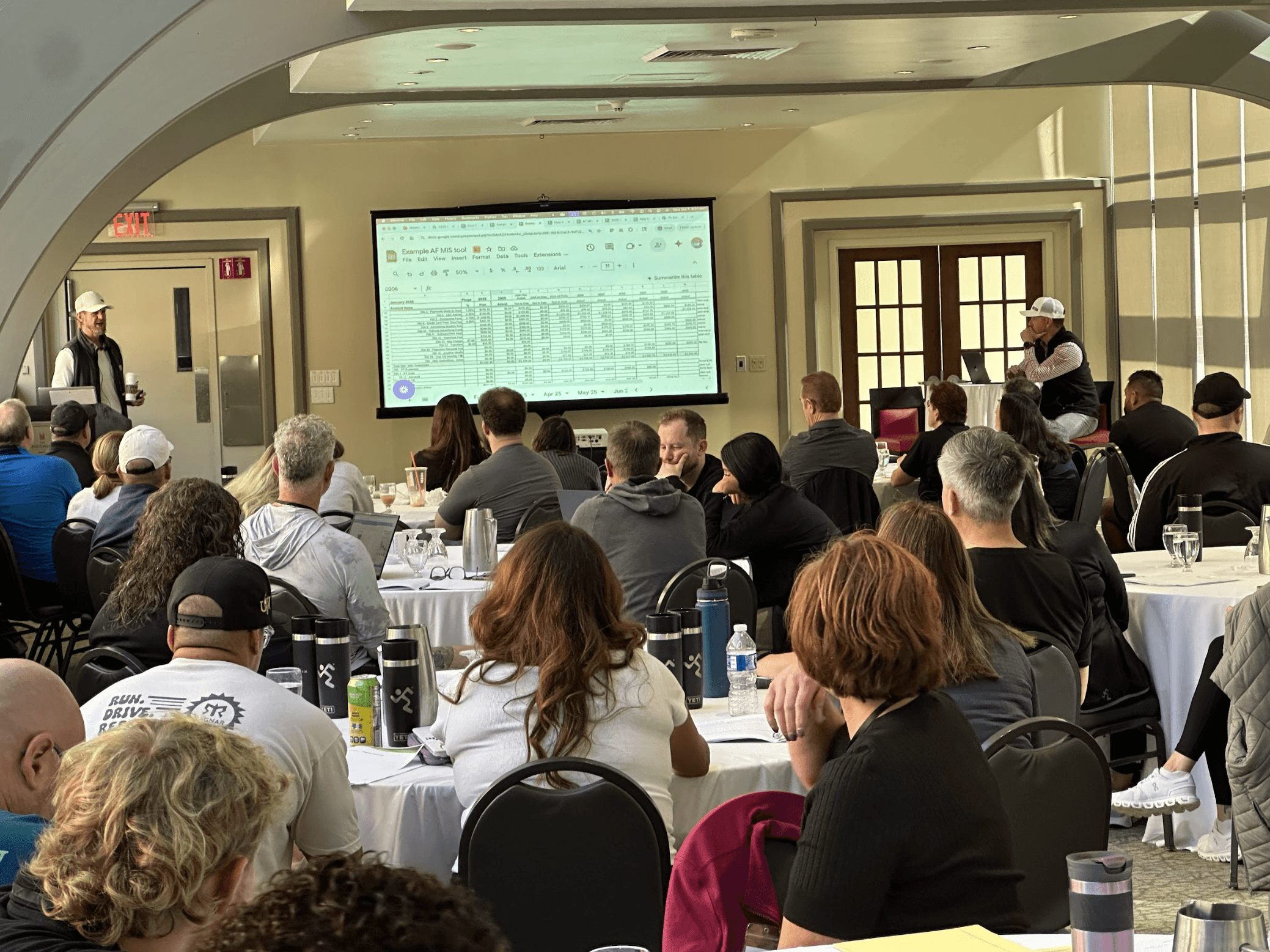
"I’m gonna advocate for this, when you guys are doing your p and ls," Nathan says. "We took us a few years to get this figured out. But we started to, so Njo is the name of our corporation. So Njo all is where we dump everything. So it’s the, all the business together, you get the regionals, everything else. And then each one of these tabs, uh, have a, a month over month and year over year. Okay. That we’re constantly looking at to, to obviously see where we’re at. But these are four wall p and Ls. Okay. Four wall P and ls being everything that, that if one person were to come in and buy this club. Tomorrow that you could just be like, whoop, here it is. Right. Should always keep this, um, and, uh, and just have it ready to go. And it also helps you keep kind of club focused as well. Uh, so you kind of know, not just big picture how you’re doing, but what you’re doing per facility. Alright. And then you have your end, you have your corporation that’s separate. Okay. Which for, for me is usually a, a loser."
The Power of the Business Plan
Nathan’s entire system is built around a dynamic business plan that ties directly to his P&Ls and his team’s scorecard. This isn’t a document that gets created in January and then forgotten. It’s a living, breathing tool that he uses to manage his business on a daily basis.
"All of these numbers extrapolate," he explains. "This is kind of hard to read, but I’m just gonna show you one club, uh, to get an idea. But essentially, uh, every, every person has a duty. They have their goals, uh, in, in writing here, and we take our, you know, our actuals versus last year our goals and everything else. All of this comes from the business plan. My team knows what they’re supposed to do based on the business plan. So our entire team is managed to the numbers that go back to the p and l that we created, right? So there’s always that continuity, right? This is the accountability across charts."
Structuring for Tax Efficiency
Nathan also shared his philosophy on taxes, which is a refreshing perspective for many business owners.
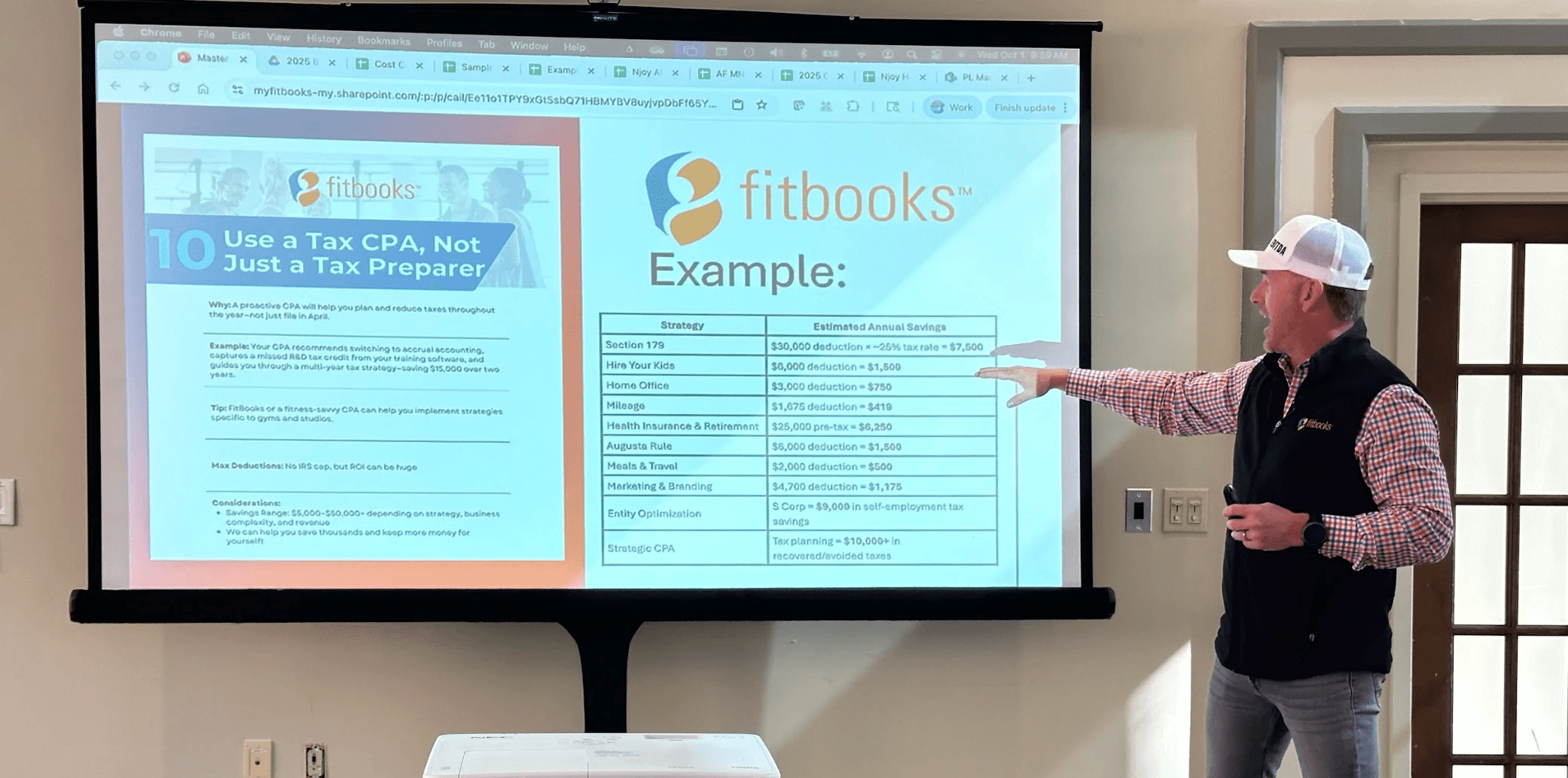
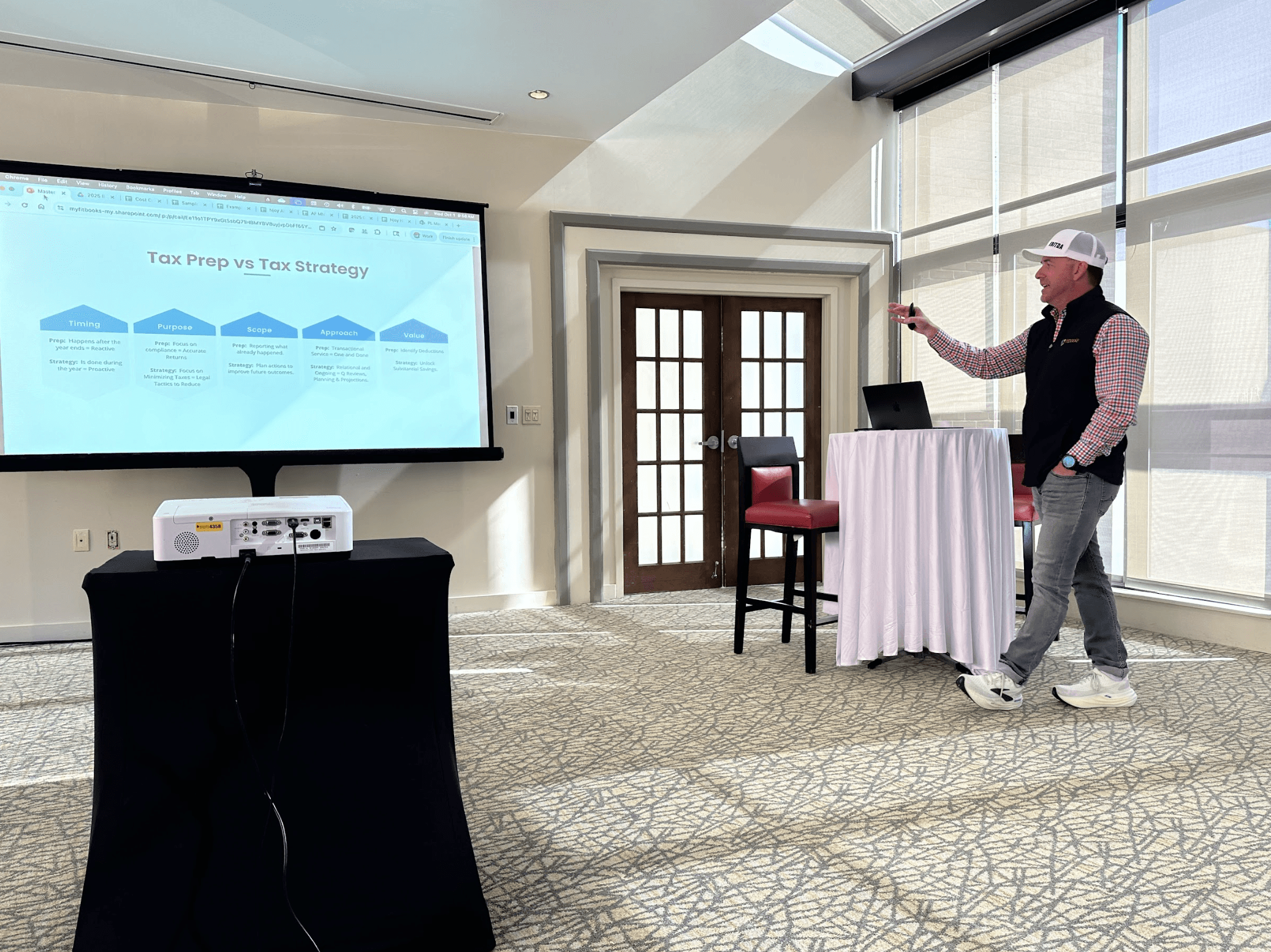
"Tax code is written for people to go and better the economy," he says. "So if you are utilizing the accounting that’s there, the tax code that’s there properly for every bit of it that you can, okay? Using good teams, uh, you are usually those things are ins are, um, incentivizing you to improve the economy. That’s why it’s there. Uh, buy another business to buy more real estate to build. Everything is about building so you don’t have to feel bad about not paying tax. Okay? I know something you do. But you don’t have to. All right."
He then shared his own corporate structure, which includes a holding company for payroll and sub-S corporations for each gym, allowing for a single tax return. This is a sophisticated strategy that can save significant money and simplify the process of managing multiple locations.
The End Goal: Financial Freedom
Ultimately, all of these strategies and systems are designed to achieve one thing: financial freedom. It’s not about the money itself, but about what the money allows you to do.
As Nathan says, "I just don’t like to like, pretend, I don’t know, like, oh, where did the money go? Right? Like, I like to be like, okay, we were supposed to make this and this is what we, you know, and, uh, it kind of helps me a little bit for management purposes."
By taking control of your numbers, structuring your business for success, and using your P&L as a strategic tool, you can move from being a gym owner who is constantly stressed about money to a business owner who is building real, sustainable wealth. And that, as Nathan Jesperson has demonstrated, is the ultimate form of financial freedom.
Share lesson:
About Author

Individual Contributor
A 17-year Anytime Fitness veteran and multi-unit owner based in Minnesota. Since opening his first club in 2005 with his wife, he’s owned and operated 14 locations, driven by a deep belief in both the business model and the people behind it. Known for his no-fluff financial mindset, Nathan brings real-world insights on scaling profitably and leading with purpose.
Be notified of new videos & blog posts as soon as they drop
You've been subscribed!